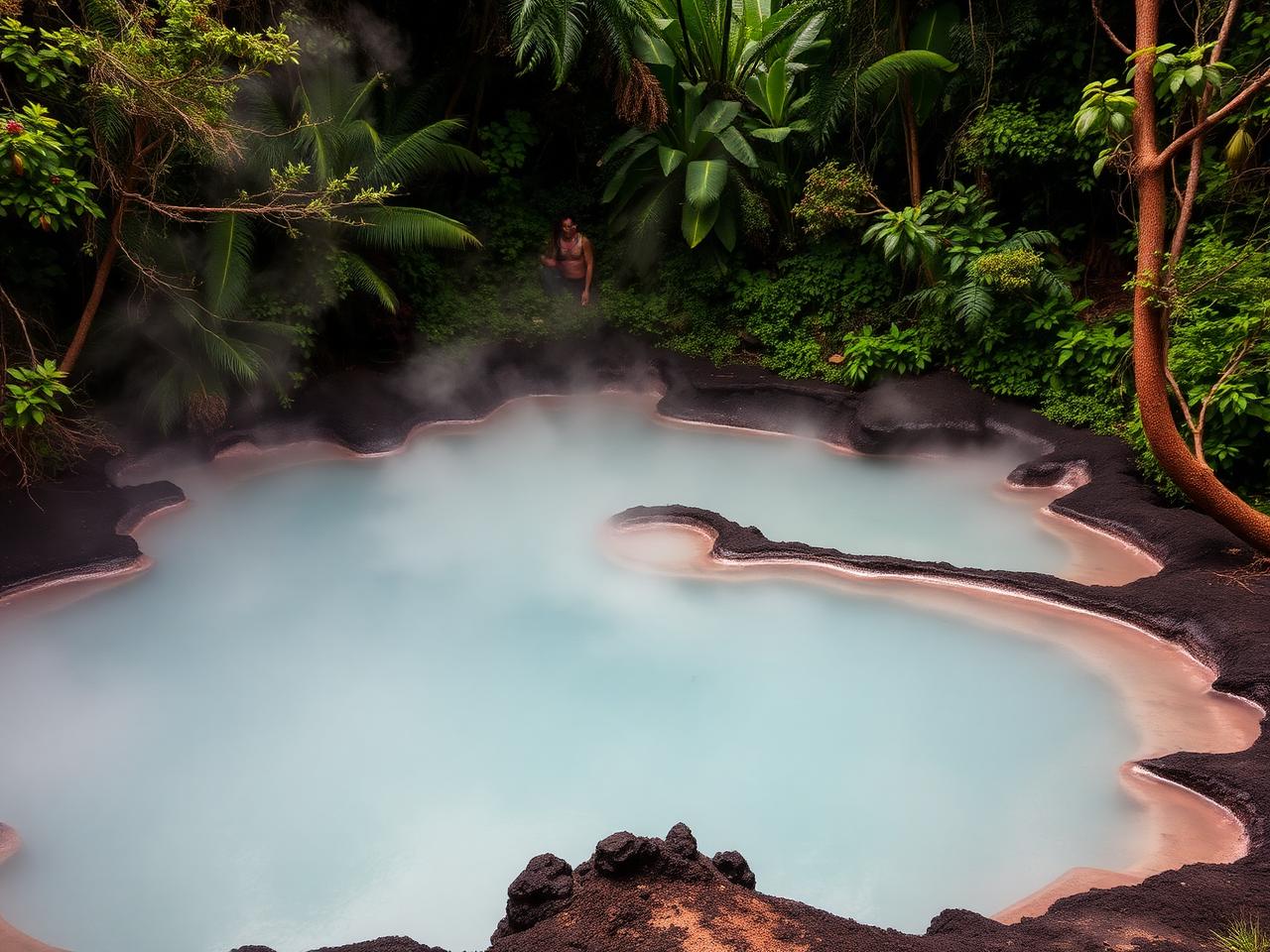
Trail journal · 9 min read
Twelve hours to the Boiling Lake
Leaving Titou Gorge before sunrise, through the Valley of Desolation, to a lake that will not stop breathing.
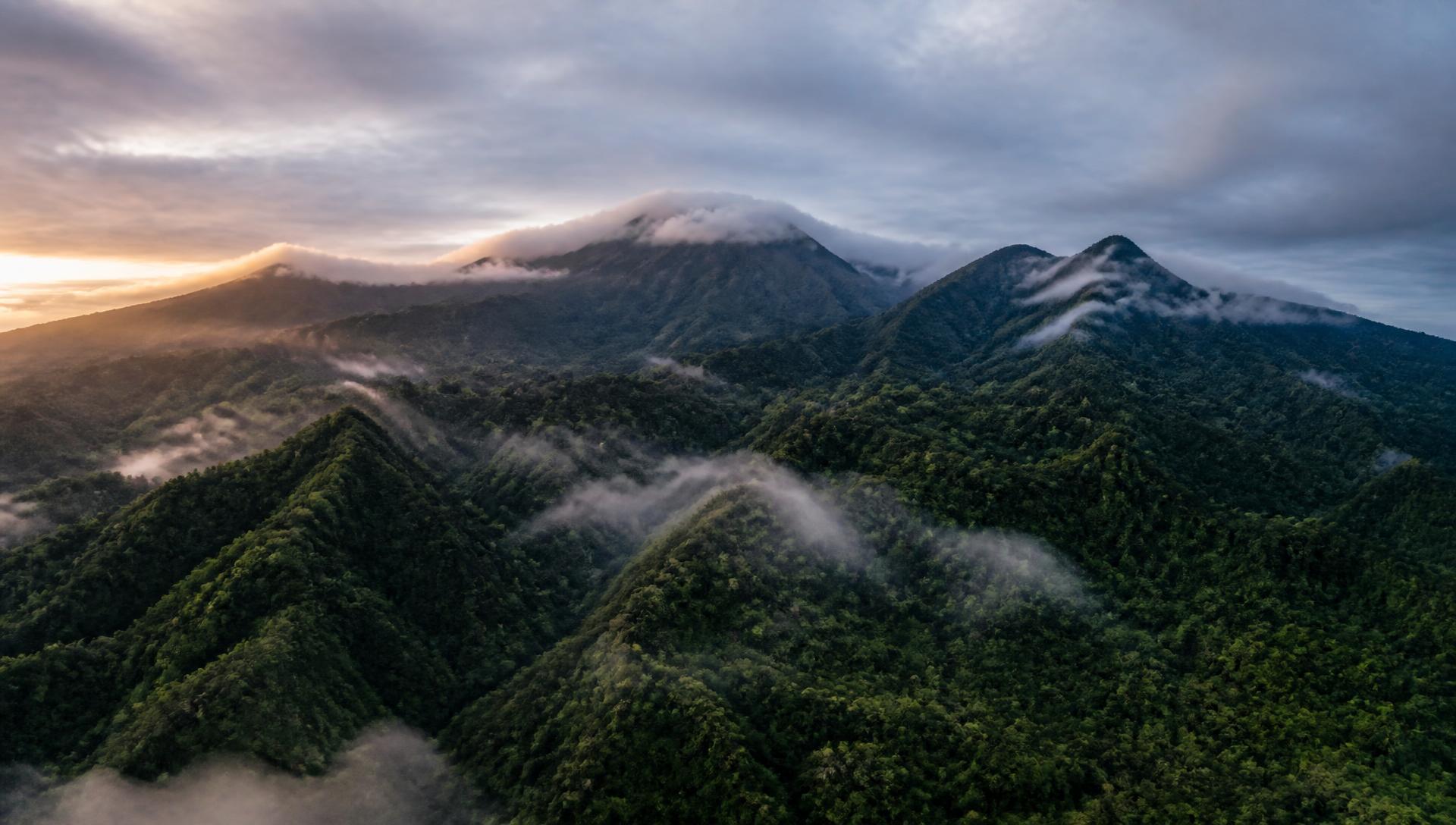
The island is only 29 miles long, yet it holds cloud forest, elfin woodland, dry coastal scrub, sulphur fields and a boiling lake. Rain falls on the interior most days, feeding rivers that carve gorges straight down to the Caribbean.
Morne Trois Pitons National Park was the first natural UNESCO World Heritage site in the eastern Caribbean. North of it, Morne Diablotin shelters the sisserou parrot — the national bird, and found nowhere else on earth.
Culture follows the terrain. Creole villages sit at river mouths, the Kalinago Territory occupies the wild east coast, and food is still largely what grows in volcanic soil: dasheen, cocoa, bay leaf, breadfruit, river crayfish.
Two-thirds of the island is forest. There are no mega-resorts, no traffic on the ridges, no crowds at the falls.
A UNESCO World Heritage park, 1,200 plant species and the endemic sisserou parrot found nowhere else on earth.
Canyoning, volcano treks, sea kayaking and a national trail that takes two weeks to walk end to end.
Hot springs, river pools and steam vents that turn recovery into part of the itinerary.
Creole villages, Kalinago heritage and a food culture grown in volcanic soil rather than imported.
Trail journal · 9 min read
Leaving Titou Gorge before sunrise, through the Valley of Desolation, to a lake that will not stop breathing.
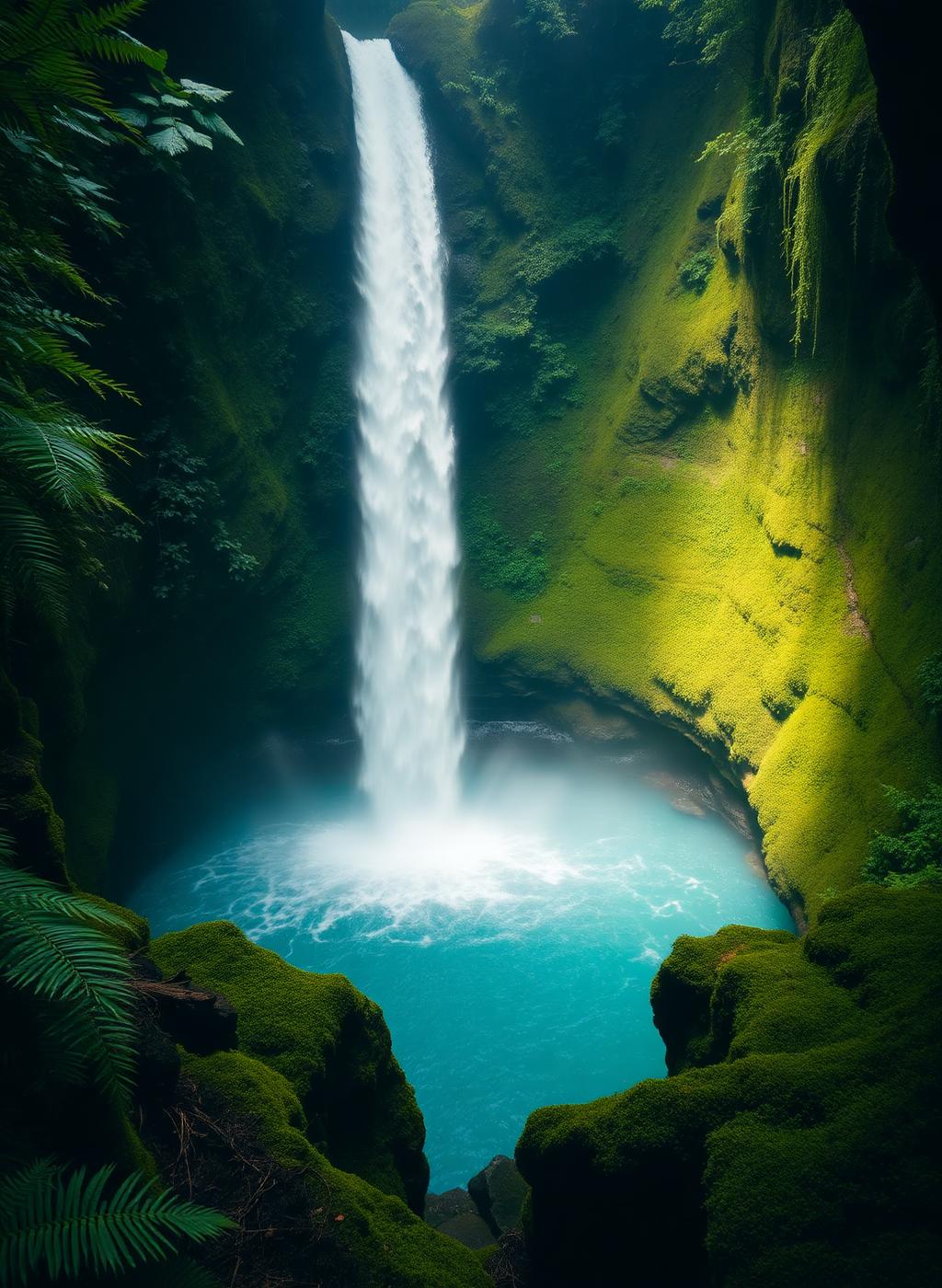
Wellness guide · 6 min read
A route around Dominica built entirely from water — cold rivers, warm springs, one long exhale.
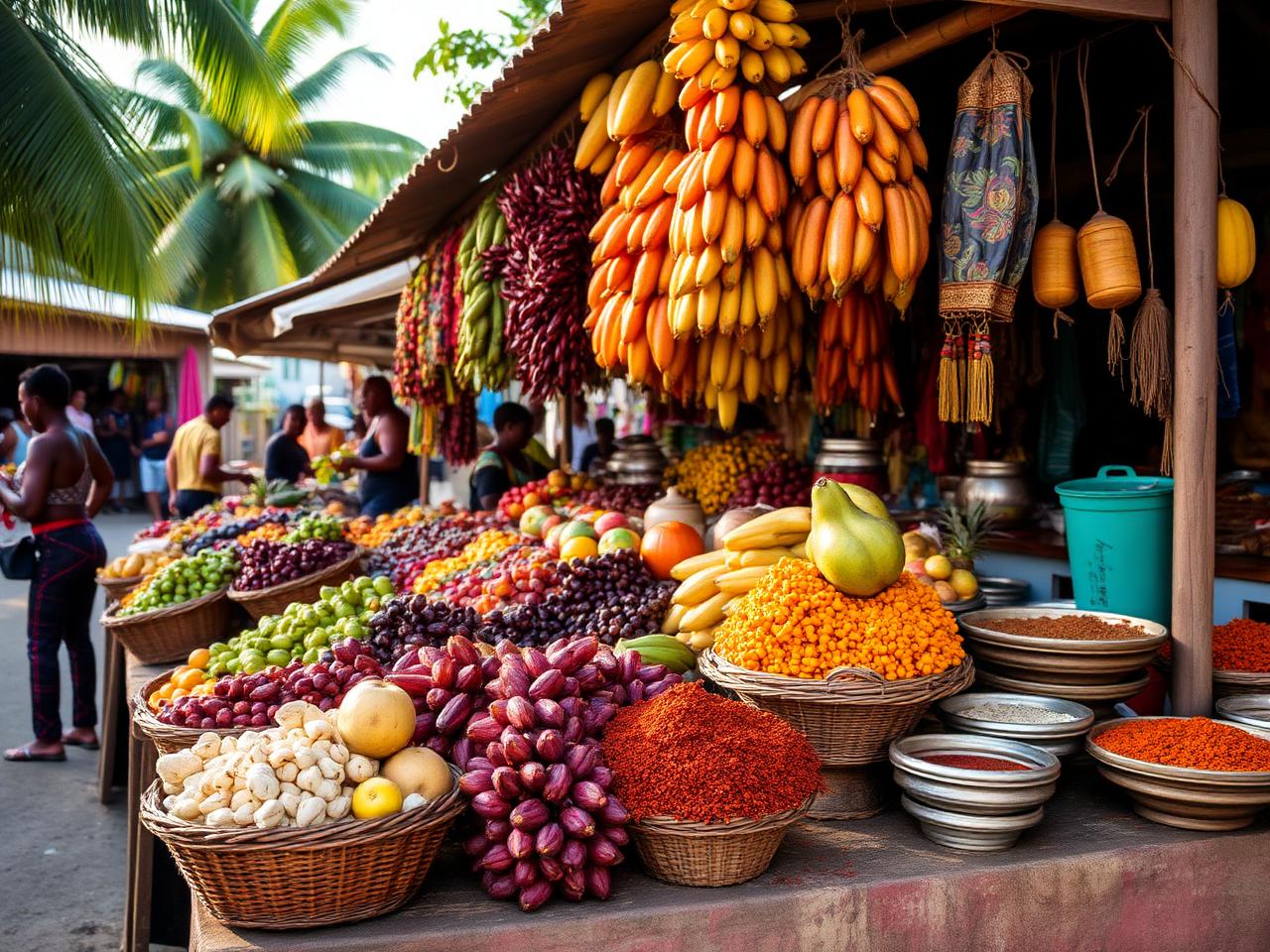
Food notes · 5 min read
Cocoa, dasheen, bay leaf and river crayfish: what the Creole kitchen does with a very wet island.
Field notes · 7 min read
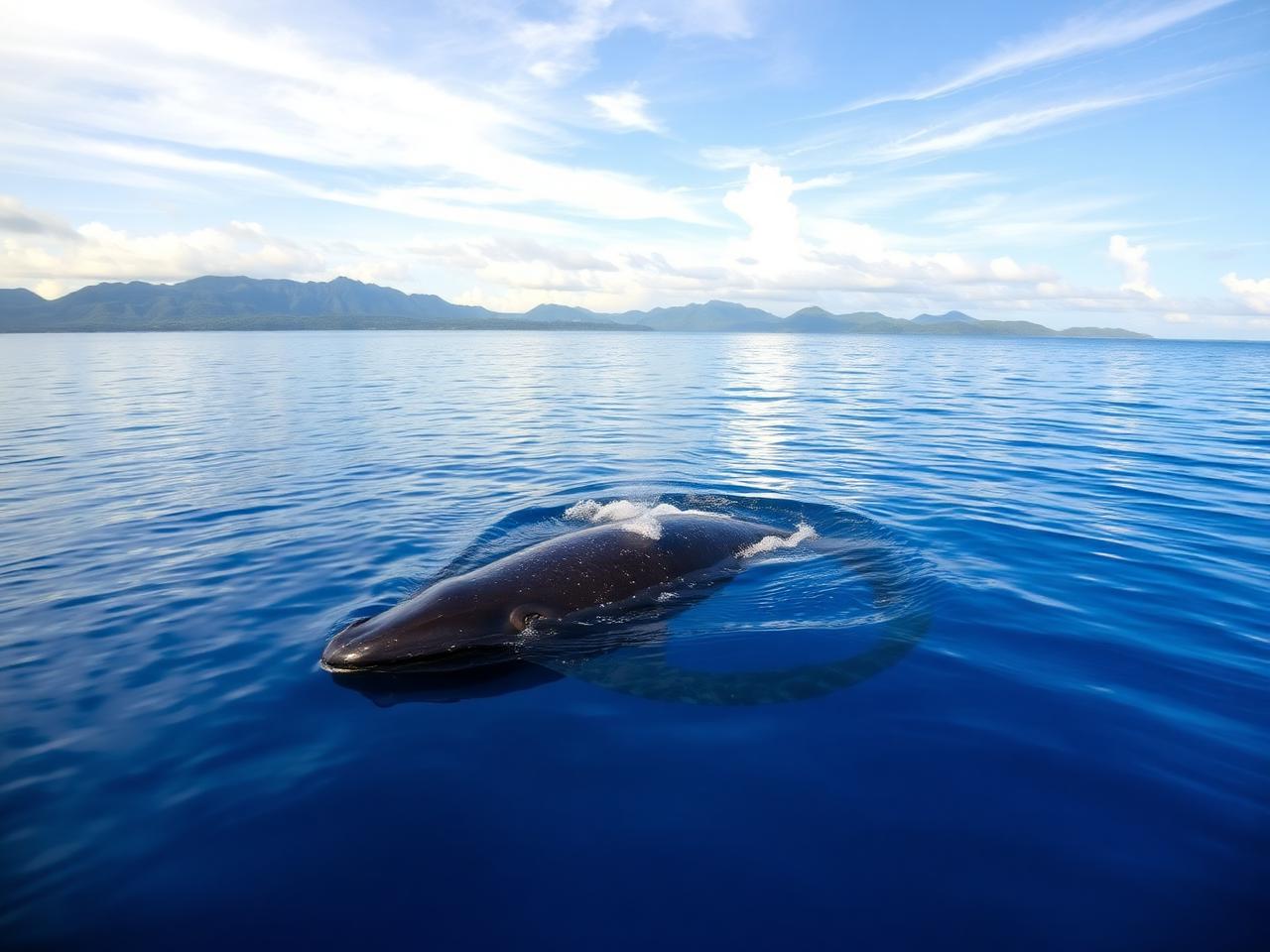
A morning on the Soufrière channel with a hydrophone and a family of sperm whales that stayed.